Streptocarpus ionantha 'Luna' - Welsh Grown
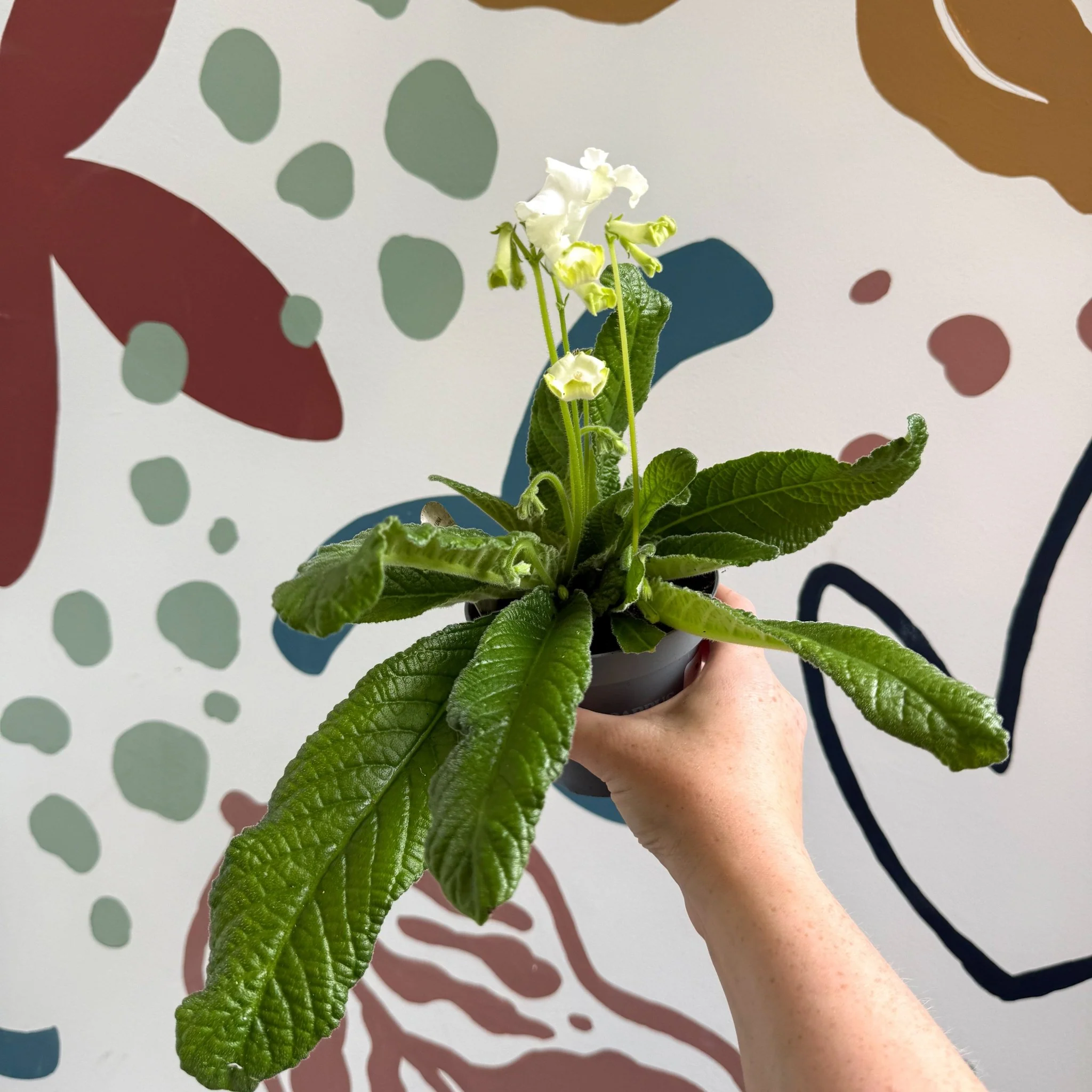
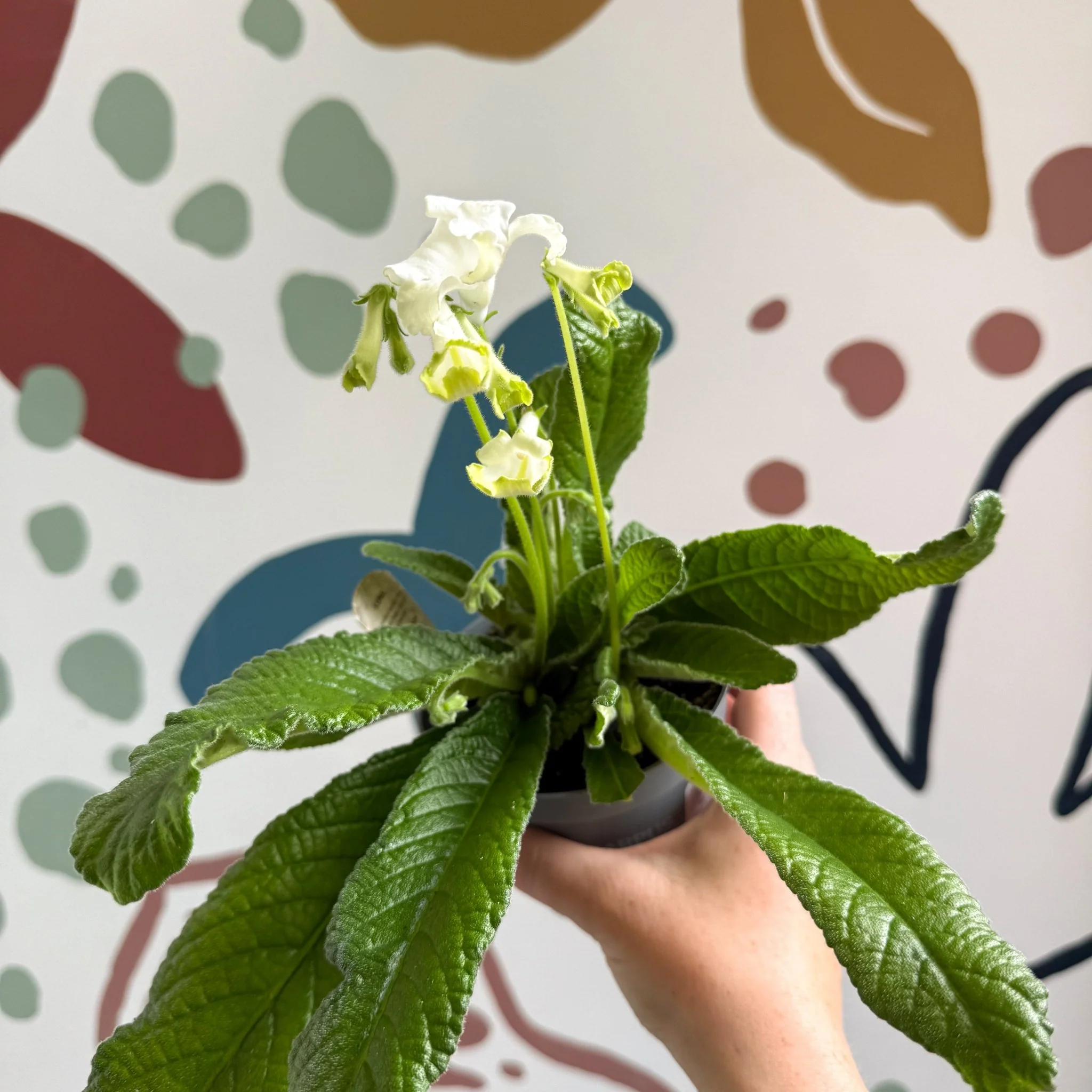
Streptocarpus ‘Luna’ is a compact and floriferous hybrid known for its soft, velvety leaves and pale yellow blooms, often flushed with lilac or cream. Part of the African violet family, this variety is a prolific bloomer, producing delicate, orchid-like flowers for much of the year with the right care. Ideal for bright windowsills, it brings gentle colour and texture to indoor spaces.
Scientific Name
Streptocarpus ionantha ‘Luna’ (from Greek streptos, “twisted”, and karpos, “fruit”, referring to the plant’s spiralled seedpods)
Originally grouped under Saintpaulia, Streptocarpus ionantha is part of the Gesneriaceae family and was once known as an African violet. Modern genetic studies have reclassified these species under Streptocarpus. ‘Luna’ is a named hybrid bred for compact form and prolific, pale-coloured flowers.
Common Name(s)
Cape Primrose, African Violet (outdated but still used), Streptocarpus ‘Luna’
Origin
Species native to Tanzania and eastern tropical Africa; ‘Luna’ cultivar bred in cultivation
Light
Bright, indirect light is ideal. Too much sun will scorch the leaves, but too little can reduce blooming. East or north-facing windows work well.
Water
Water when the top 2–3cm of soil feels dry. Use room-temperature water and water from below if possible to avoid leaf spotting. Reduce watering in winter.
Humidity
Prefers moderate humidity. Avoid misting directly. Ideal in rooms with gentle ambient moisture – bathrooms or kitchens with natural light are great choices.
Soil
Use a light, airy African violet or Gesneriad mix. A blend of peat-free compost, perlite, and vermiculite works well. Repot annually after flowering.
Food
Feed every 2–3 weeks during spring and summer with a diluted fertiliser formulated for flowering houseplants or African violets.
Temp
Best kept between 18–24°C. Avoid cold draughts and temperatures below 12°C.
Pet-safe
Generally considered non-toxic – safe for pets and children.
Sprouts Top Tips
Remove spent flowers and old leaves regularly to keep the plant tidy and encourage new blooms. Keep the crown dry to avoid rot.
Extras
‘Luna’ blooms best when slightly pot-bound. Don’t rush to repot – a snug pot encourages flower production.
Did You Know?
Though often thought of as delicate, Streptocarpus hybrids like ‘Luna’ are surprisingly resilient and can flower almost continuously under the right conditions.
Product Information
Product Information
Shipping & Returns
Shipping & Returns


Streptocarpus ionantha 'Luna' - Welsh Grown
Streptocarpus ionantha 'Luna' - Welsh Grown
Streptocarpus ‘Luna’ is a compact and floriferous hybrid known for its soft, velvety leaves and pale yellow blooms, often flushed with lilac or cream. Part of the African violet family, this variety is a prolific bloomer, producing delicate, orchid-like flowers for much of the year with the right care. Ideal for bright windowsills, it brings gentle colour and texture to indoor spaces.
Scientific Name
Streptocarpus ionantha ‘Luna’ (from Greek streptos, “twisted”, and karpos, “fruit”, referring to the plant’s spiralled seedpods)
Originally grouped under Saintpaulia, Streptocarpus ionantha is part of the Gesneriaceae family and was once known as an African violet. Modern genetic studies have reclassified these species under Streptocarpus. ‘Luna’ is a named hybrid bred for compact form and prolific, pale-coloured flowers.
Common Name(s)
Cape Primrose, African Violet (outdated but still used), Streptocarpus ‘Luna’
Origin
Species native to Tanzania and eastern tropical Africa; ‘Luna’ cultivar bred in cultivation
Light
Bright, indirect light is ideal. Too much sun will scorch the leaves, but too little can reduce blooming. East or north-facing windows work well.
Water
Water when the top 2–3cm of soil feels dry. Use room-temperature water and water from below if possible to avoid leaf spotting. Reduce watering in winter.
Humidity
Prefers moderate humidity. Avoid misting directly. Ideal in rooms with gentle ambient moisture – bathrooms or kitchens with natural light are great choices.
Soil
Use a light, airy African violet or Gesneriad mix. A blend of peat-free compost, perlite, and vermiculite works well. Repot annually after flowering.
Food
Feed every 2–3 weeks during spring and summer with a diluted fertiliser formulated for flowering houseplants or African violets.
Temp
Best kept between 18–24°C. Avoid cold draughts and temperatures below 12°C.
Pet-safe
Generally considered non-toxic – safe for pets and children.
Sprouts Top Tips
Remove spent flowers and old leaves regularly to keep the plant tidy and encourage new blooms. Keep the crown dry to avoid rot.
Extras
‘Luna’ blooms best when slightly pot-bound. Don’t rush to repot – a snug pot encourages flower production.
Did You Know?
Though often thought of as delicate, Streptocarpus hybrids like ‘Luna’ are surprisingly resilient and can flower almost continuously under the right conditions.
Original: $16.11
-65%$16.11
$5.64Product Information
Product Information
Shipping & Returns
Shipping & Returns
Description
Streptocarpus ‘Luna’ is a compact and floriferous hybrid known for its soft, velvety leaves and pale yellow blooms, often flushed with lilac or cream. Part of the African violet family, this variety is a prolific bloomer, producing delicate, orchid-like flowers for much of the year with the right care. Ideal for bright windowsills, it brings gentle colour and texture to indoor spaces.
Scientific Name
Streptocarpus ionantha ‘Luna’ (from Greek streptos, “twisted”, and karpos, “fruit”, referring to the plant’s spiralled seedpods)
Originally grouped under Saintpaulia, Streptocarpus ionantha is part of the Gesneriaceae family and was once known as an African violet. Modern genetic studies have reclassified these species under Streptocarpus. ‘Luna’ is a named hybrid bred for compact form and prolific, pale-coloured flowers.
Common Name(s)
Cape Primrose, African Violet (outdated but still used), Streptocarpus ‘Luna’
Origin
Species native to Tanzania and eastern tropical Africa; ‘Luna’ cultivar bred in cultivation
Light
Bright, indirect light is ideal. Too much sun will scorch the leaves, but too little can reduce blooming. East or north-facing windows work well.
Water
Water when the top 2–3cm of soil feels dry. Use room-temperature water and water from below if possible to avoid leaf spotting. Reduce watering in winter.
Humidity
Prefers moderate humidity. Avoid misting directly. Ideal in rooms with gentle ambient moisture – bathrooms or kitchens with natural light are great choices.
Soil
Use a light, airy African violet or Gesneriad mix. A blend of peat-free compost, perlite, and vermiculite works well. Repot annually after flowering.
Food
Feed every 2–3 weeks during spring and summer with a diluted fertiliser formulated for flowering houseplants or African violets.
Temp
Best kept between 18–24°C. Avoid cold draughts and temperatures below 12°C.
Pet-safe
Generally considered non-toxic – safe for pets and children.
Sprouts Top Tips
Remove spent flowers and old leaves regularly to keep the plant tidy and encourage new blooms. Keep the crown dry to avoid rot.
Extras
‘Luna’ blooms best when slightly pot-bound. Don’t rush to repot – a snug pot encourages flower production.
Did You Know?
Though often thought of as delicate, Streptocarpus hybrids like ‘Luna’ are surprisingly resilient and can flower almost continuously under the right conditions.