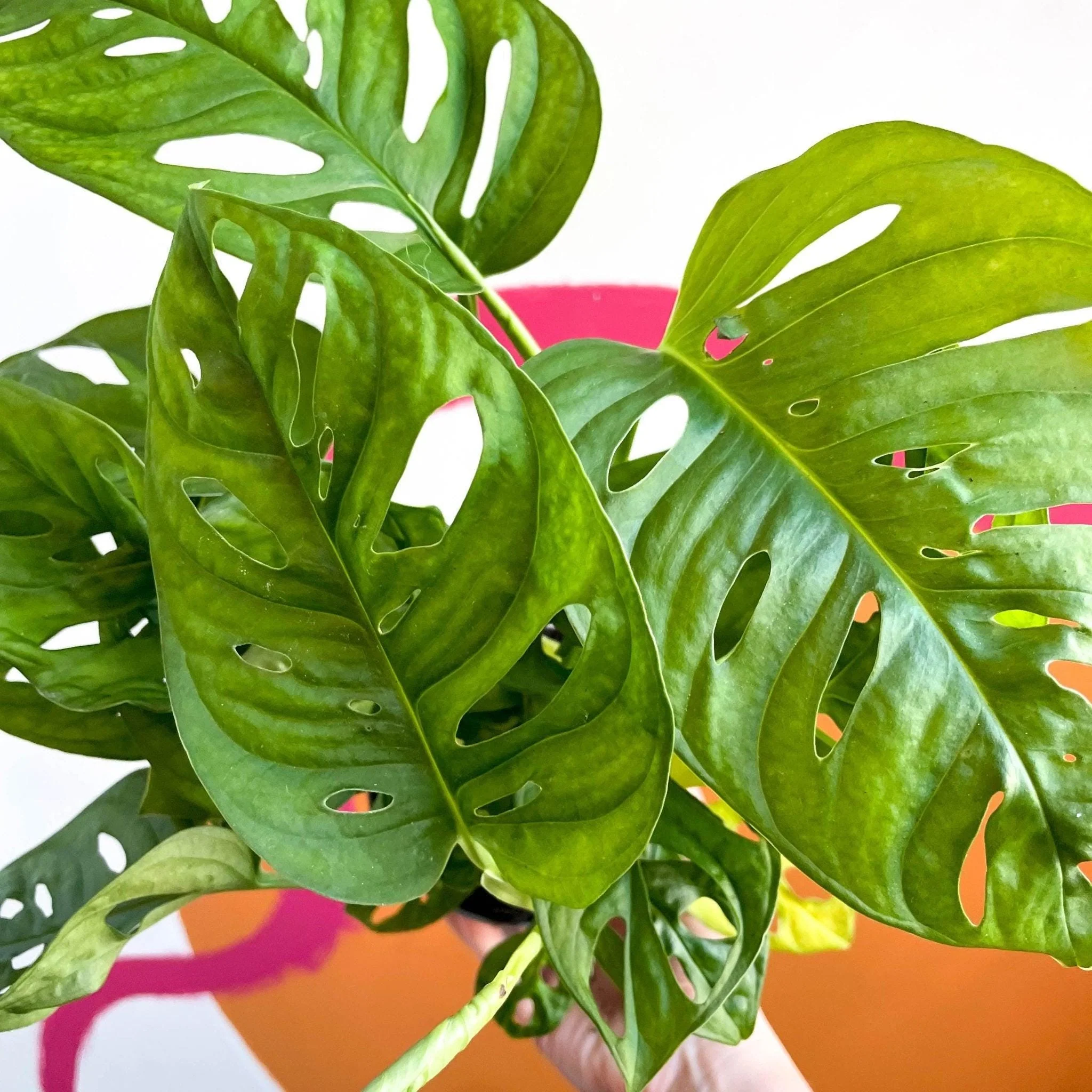
Begonia palmata ‘D Don’
A bold and beautifully architectural species begonia, Begonia palmata ‘D Don’ is admired for its dramatic deeply lobed foliage and lush tropical appearance. The large maple like leaves feature rich green tones, textured surfaces, and prominent veining, creating a striking silhouette that stands out amongst more delicate begonias. As the plant matures, it develops into an impressive foliage specimen with a wild rainforest feel.
This species thrives in warm, humid conditions with bright filtered light and consistent moisture, making it well suited to conservatories, indoor plant collections, terrariums, or humid rooms within the home.
Scientific Name
Begonia palmata ‘D Don’ (hand shaped begonia)
Common Name
Palm Leaf Begonia
Origin
Derived from Begonia palmata, a species native to the Himalayan regions and parts of Southeast Asia, where it grows in humid woodland and forest edge environments. The species name palmata refers to the hand shaped, deeply divided leaves.
Light
Prefers bright, indirect light. Avoid strong direct sunlight, which can scorch the foliage and cause stress. Softer filtered light helps maintain healthy growth and rich colouring.
Water
Keep the soil lightly moist but not soggy. Allow the very top layer of soil to begin drying slightly between waterings. Reduce watering during cooler months when growth naturally slows.
Humidity
Thrives in moderate to high humidity levels above 60%. Benefits from humid rooms, terrariums, cabinets, or placement near a humidifier. Avoid dry air and cold draughts.
Soil
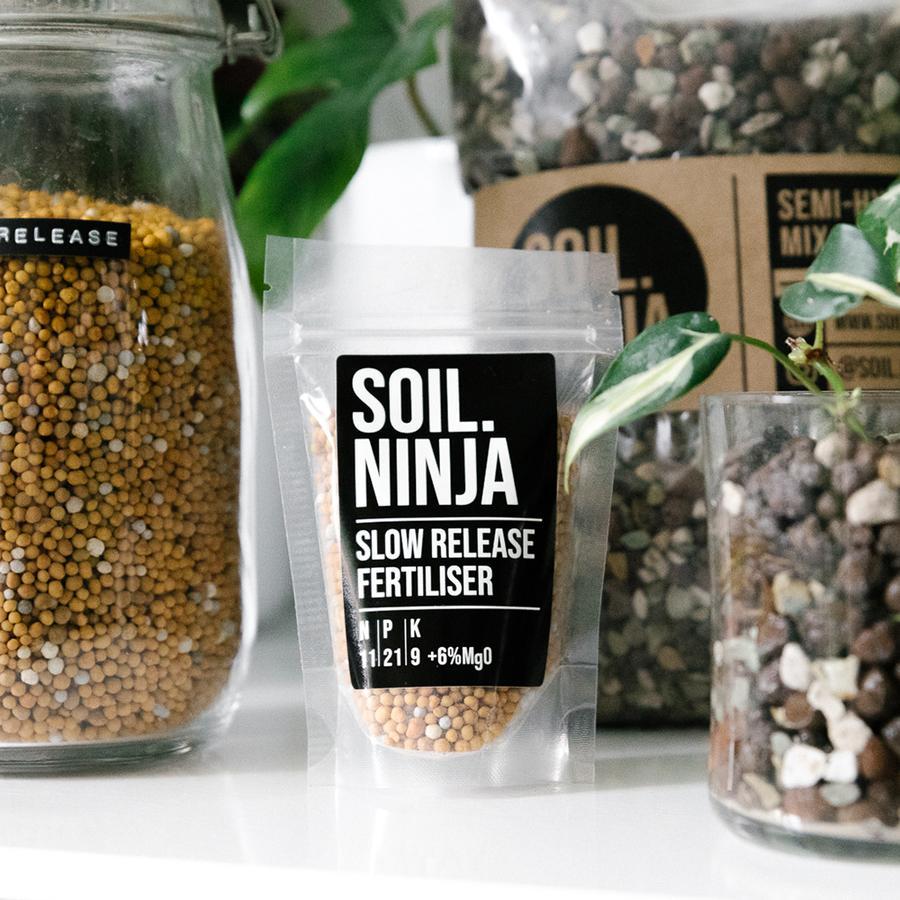
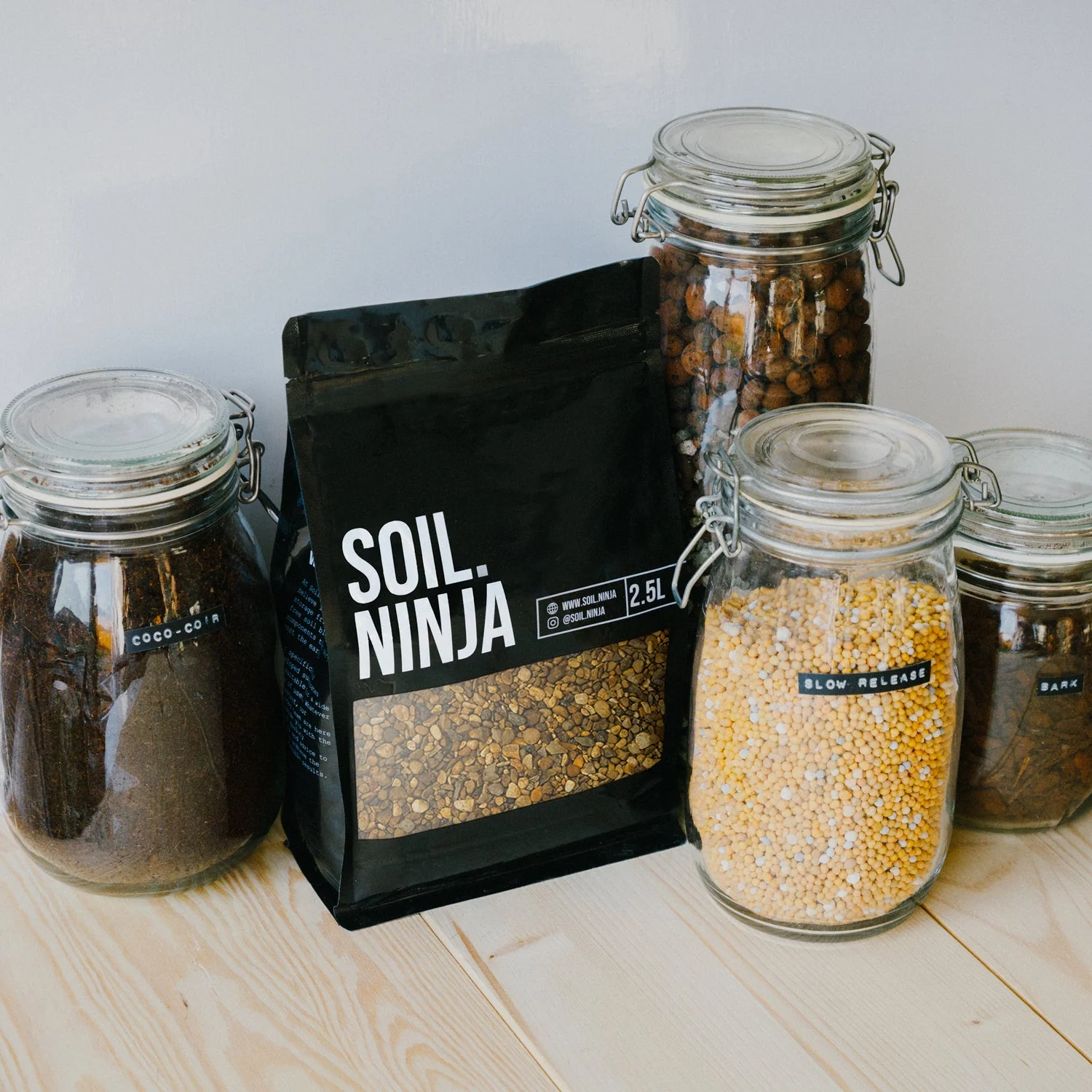
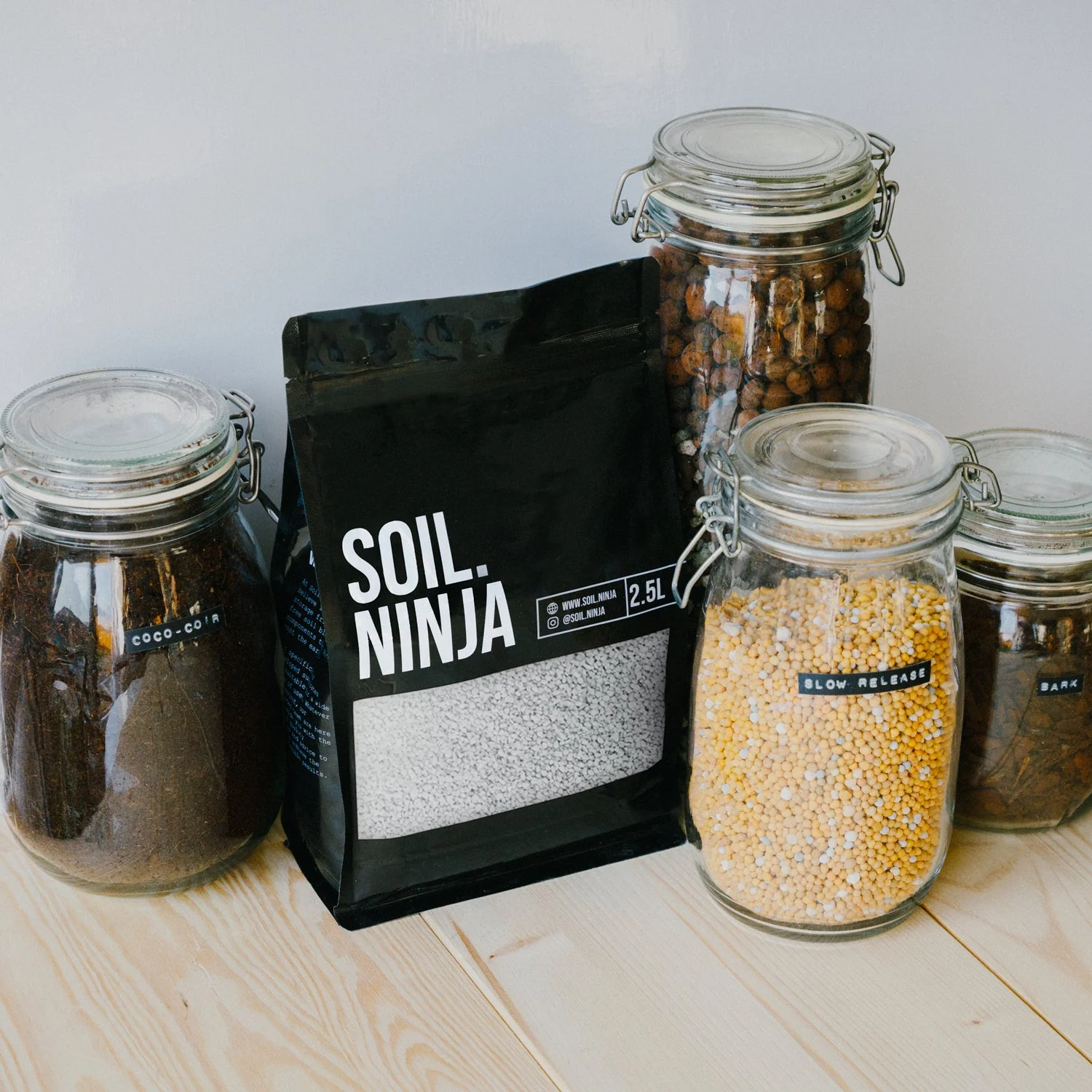
Use a loose, airy, free draining mix rich in organic matter. A blend containing coco coir, fine bark, perlite, and sphagnum moss works especially well.
Food
Feed every 2 to 4 waters during spring and summer using a diluted balanced houseplant fertiliser. Reduce feeding during autumn and winter.
Temp
Prefers temperatures between 18–26°C. Avoid temperatures below 12–15°C and protect from sudden drops in temperature.
Pet-safe
Toxic if ingested, so keep away from pets and children.
Sprouts Top Tips
Larger leaves can transpire quickly in warm weather, so consistent moisture and humidity help prevent crispy edges and drooping growth.
Extras
As the plant matures, the foliage can become impressively large and deeply divided, giving it a dramatic jungle style appearance perfect for tropical displays.
Did You Know?
The species name palmata comes from the Latin word for “hand shaped,” referencing the deeply lobed foliage which resembles an open hand or palm leaf.
Product Information
Product Information
Shipping & Returns
Shipping & Returns


Begonia palmata ‘D Don’
Begonia palmata ‘D Don’
A bold and beautifully architectural species begonia, Begonia palmata ‘D Don’ is admired for its dramatic deeply lobed foliage and lush tropical appearance. The large maple like leaves feature rich green tones, textured surfaces, and prominent veining, creating a striking silhouette that stands out amongst more delicate begonias. As the plant matures, it develops into an impressive foliage specimen with a wild rainforest feel.
This species thrives in warm, humid conditions with bright filtered light and consistent moisture, making it well suited to conservatories, indoor plant collections, terrariums, or humid rooms within the home.
Scientific Name
Begonia palmata ‘D Don’ (hand shaped begonia)
Common Name
Palm Leaf Begonia
Origin
Derived from Begonia palmata, a species native to the Himalayan regions and parts of Southeast Asia, where it grows in humid woodland and forest edge environments. The species name palmata refers to the hand shaped, deeply divided leaves.
Light
Prefers bright, indirect light. Avoid strong direct sunlight, which can scorch the foliage and cause stress. Softer filtered light helps maintain healthy growth and rich colouring.
Water
Keep the soil lightly moist but not soggy. Allow the very top layer of soil to begin drying slightly between waterings. Reduce watering during cooler months when growth naturally slows.
Humidity
Thrives in moderate to high humidity levels above 60%. Benefits from humid rooms, terrariums, cabinets, or placement near a humidifier. Avoid dry air and cold draughts.
Soil
Use a loose, airy, free draining mix rich in organic matter. A blend containing coco coir, fine bark, perlite, and sphagnum moss works especially well.
Food
Feed every 2 to 4 waters during spring and summer using a diluted balanced houseplant fertiliser. Reduce feeding during autumn and winter.
Temp
Prefers temperatures between 18–26°C. Avoid temperatures below 12–15°C and protect from sudden drops in temperature.
Pet-safe
Toxic if ingested, so keep away from pets and children.
Sprouts Top Tips
Larger leaves can transpire quickly in warm weather, so consistent moisture and humidity help prevent crispy edges and drooping growth.
Extras
As the plant matures, the foliage can become impressively large and deeply divided, giving it a dramatic jungle style appearance perfect for tropical displays.
Did You Know?
The species name palmata comes from the Latin word for “hand shaped,” referencing the deeply lobed foliage which resembles an open hand or palm leaf.
Original: $33.56
-65%$33.56
$11.75Product Information
Product Information
Shipping & Returns
Shipping & Returns
Description
A bold and beautifully architectural species begonia, Begonia palmata ‘D Don’ is admired for its dramatic deeply lobed foliage and lush tropical appearance. The large maple like leaves feature rich green tones, textured surfaces, and prominent veining, creating a striking silhouette that stands out amongst more delicate begonias. As the plant matures, it develops into an impressive foliage specimen with a wild rainforest feel.
This species thrives in warm, humid conditions with bright filtered light and consistent moisture, making it well suited to conservatories, indoor plant collections, terrariums, or humid rooms within the home.
Scientific Name
Begonia palmata ‘D Don’ (hand shaped begonia)
Common Name
Palm Leaf Begonia
Origin
Derived from Begonia palmata, a species native to the Himalayan regions and parts of Southeast Asia, where it grows in humid woodland and forest edge environments. The species name palmata refers to the hand shaped, deeply divided leaves.
Light
Prefers bright, indirect light. Avoid strong direct sunlight, which can scorch the foliage and cause stress. Softer filtered light helps maintain healthy growth and rich colouring.
Water
Keep the soil lightly moist but not soggy. Allow the very top layer of soil to begin drying slightly between waterings. Reduce watering during cooler months when growth naturally slows.
Humidity
Thrives in moderate to high humidity levels above 60%. Benefits from humid rooms, terrariums, cabinets, or placement near a humidifier. Avoid dry air and cold draughts.
Soil
Use a loose, airy, free draining mix rich in organic matter. A blend containing coco coir, fine bark, perlite, and sphagnum moss works especially well.
Food
Feed every 2 to 4 waters during spring and summer using a diluted balanced houseplant fertiliser. Reduce feeding during autumn and winter.
Temp
Prefers temperatures between 18–26°C. Avoid temperatures below 12–15°C and protect from sudden drops in temperature.
Pet-safe
Toxic if ingested, so keep away from pets and children.
Sprouts Top Tips
Larger leaves can transpire quickly in warm weather, so consistent moisture and humidity help prevent crispy edges and drooping growth.
Extras
As the plant matures, the foliage can become impressively large and deeply divided, giving it a dramatic jungle style appearance perfect for tropical displays.
Did You Know?
The species name palmata comes from the Latin word for “hand shaped,” referencing the deeply lobed foliage which resembles an open hand or palm leaf.